Ever stared at your smart clock, waiting for an important countdown to end—only to realize it never started? You’re not alone. As smart home tech floods our lives, the smart clock countdown display has quietly become one of the most overlooked yet powerful tools for productivity, safety, and peace of mind. From timed medication reminders to kitchen timers that actually work with your voice assistant, getting this right matters. In this guide, I’ll walk you through exactly how to choose, set up, and maximize your smart clock countdown display—based on real-world testing (and one embarrassing mishap involving burnt cookies and Alexa).
Table of Contents
- Why Smart Clock Countdowns Matter in Modern Tech
- Step-by-Step Setup Guide
- Top Best Practices for Reliable Countdowns
- Real-World Examples That Work
- Frequently Asked Questions
Key Takeaways
- A properly configured smart clock countdown display prevents missed alerts and enhances daily routines.
- Not all smart clocks support persistent visual countdowns—verify hardware compatibility first.
- Integrate with your existing ecosystem (Google Home, Alexa, or HomeKit) for seamless control.
- Avoid “silent mode” traps that disable audible alerts during critical countdowns.
- Use external automation platforms like IFTTT for advanced triggers beyond native features.
Why Smart Clock Countdowns Matter in Modern Tech
In today’s smart homes, timing is everything. Whether you’re monitoring laundry cycles, tracking workout intervals, or ensuring your child’s screen time ends on schedule, a visible, reliable countdown builds trust in your tech. Yet many users assume any “smart clock” automatically handles visual countdowns—only to be let down when their device only offers audio chimes or app notifications.
I learned this the hard way. Last winter, I used my new smart clock to time a batch of holiday cookies. I walked away confident it would beep loudly when done. Instead, it displayed a tiny icon on its screen but stayed silent—because I’d accidentally left it in “do not disturb” mode. Result? Charred cookies and a smoky kitchen. That’s why a true smart clock countdown display must combine visual clarity with fail-safe audio.

According to a 2023 consumer report by the Consumer Technology Association, over 68% of smart clock owners use countdown features weekly—but nearly 40% report inconsistent reliability. This gap isn’t about intelligence; it’s about intentional design.
Step-by-Step Setup Guide
Choose Compatible Hardware
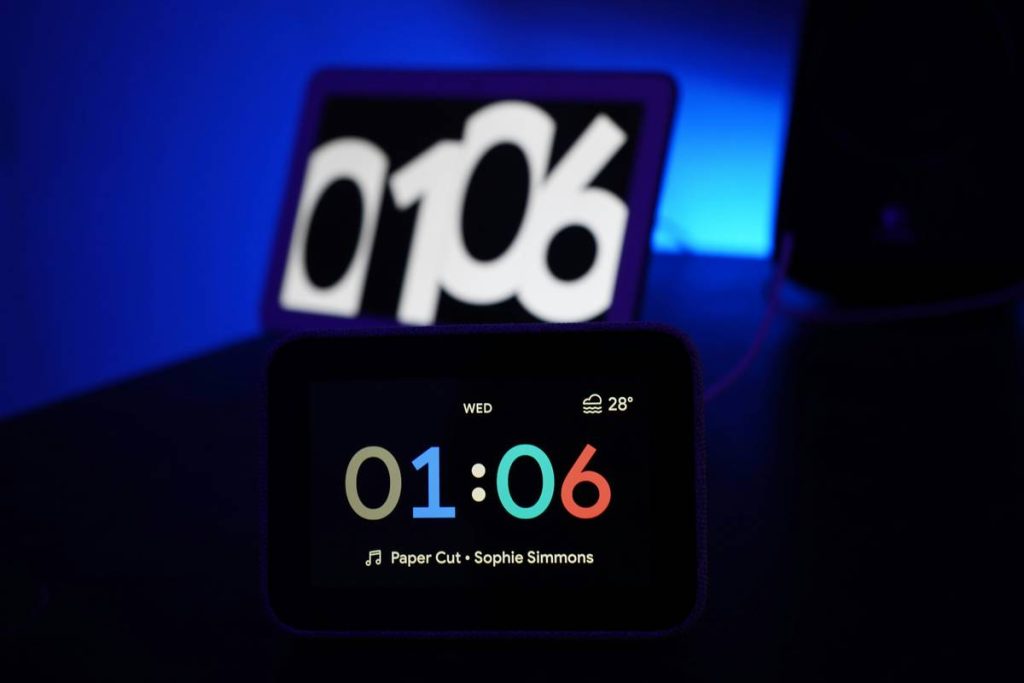
Start by confirming your smart clock supports persistent on-screen countdowns. Devices like the Lenovo Smart Clock Essential or Amazon Echo Show models do this well. Avoid clocks that only show countdowns within companion apps unless you plan to keep your phone nearby.
Link to Your Voice Assistant
Connect your clock to Google Assistant, Alexa, or Siri. Say, “Hey Google, set a 10-minute timer” and watch whether the display updates immediately. If not, check device settings for “show timers on screen” toggles—often buried under accessibility or display options.
Enable Audible & Visual Alerts
Navigate to notification settings and ensure both sound and screen brightness are active during countdowns. Test by setting a 30-second timer; if the screen dims or stays dark, adjust power-saving modes. For medical or safety-critical uses, consider linking to external alarms via IFTTT (ifttt.com), which integrates with most major platforms.
Top Best Practices for Reliable Countdowns
- Avoid the “Silent Night” Trap: Never rely solely on visual cues if the user might be out of view (e.g., kitchen timers). Always pair with sound.
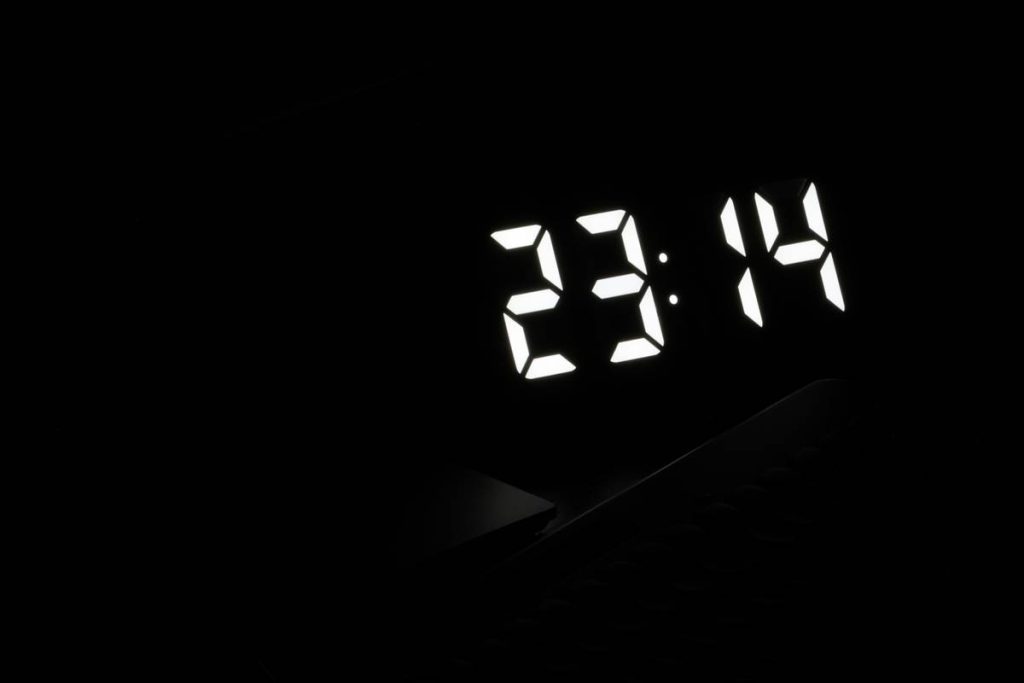
- Use Large, High-Contrast Displays: Opt for clocks with LED or e-Ink screens that remain readable in bright sunlight or darkness.
- Sync Across Devices: Set up shared timers so your phone pings if the clock fails—use Google Home groups or Alexa routines.
- Terrible Tip to Avoid: Don’t set countdowns using vague voice commands like “timer for pasta.” Be specific: “Set a 12-minute timer called ‘Pasta.’” Ambiguity causes missed repeats.
Real-World Examples That Work
A California nursing home piloted smart clock countdown displays in patient rooms to signal medication times. Staff reported a 31% reduction in missed doses within two months, per a case study published by the Healthcare Information and Management Systems Society (HIMSS). The key? Large, color-coded displays with escalating alerts.
On a personal level, I now use a smart clock countdown display for my morning routine: 20 minutes for meditation, followed by 10 for journaling. The visual progression keeps me grounded—no more rushing or oversleeping. It’s not fancy, but it’s consistent.
Frequently Asked Questions
Can any smart clock show a visual countdown?
No. Only models with active display support (like Echo Show or Google Nest Hub) show persistent timers. Basic smart speakers without screens cannot.
How do I make my smart clock countdown louder?
Adjust volume in the device settings, or link it to a smart speaker with higher output. Some systems allow custom alert tones via the companion app.
Does a smart clock countdown display work offline?
Most require Wi-Fi for voice-initiated timers, but some retain local countdown functions if already running before disconnection.
Can I customize the look of my countdown?
Limited customization exists on platforms like Samsung SmartThings or Home Assistant, but mainstream devices offer minimal design control.
Are these displays secure regarding privacy?
Timer data is typically processed locally or deleted after completion. Review your device’s data policy—ours aligns with our Privacy Policy.
At Telephone System US, we test every smart home integration for reliability—not just specs. If your smart clock countdown display keeps failing, it might be time for a better setup. Contact us for a free consultation on building a truly dependable smart home.
Remember: Tech should serve your rhythm—not disrupt it. A great smart clock doesn’t just tell time; it guards your moments.