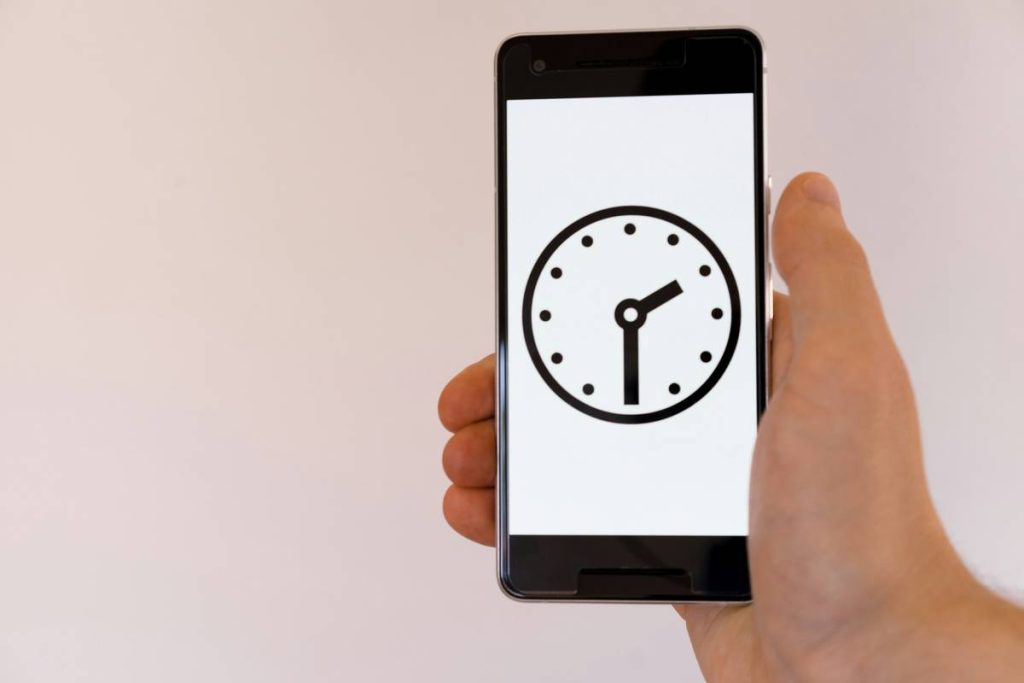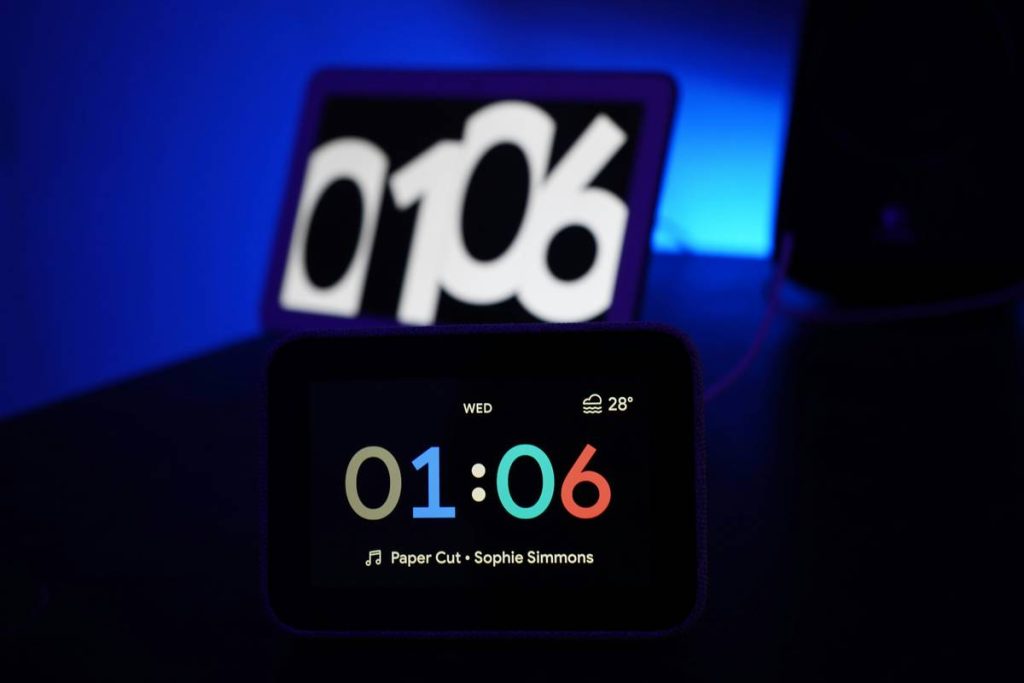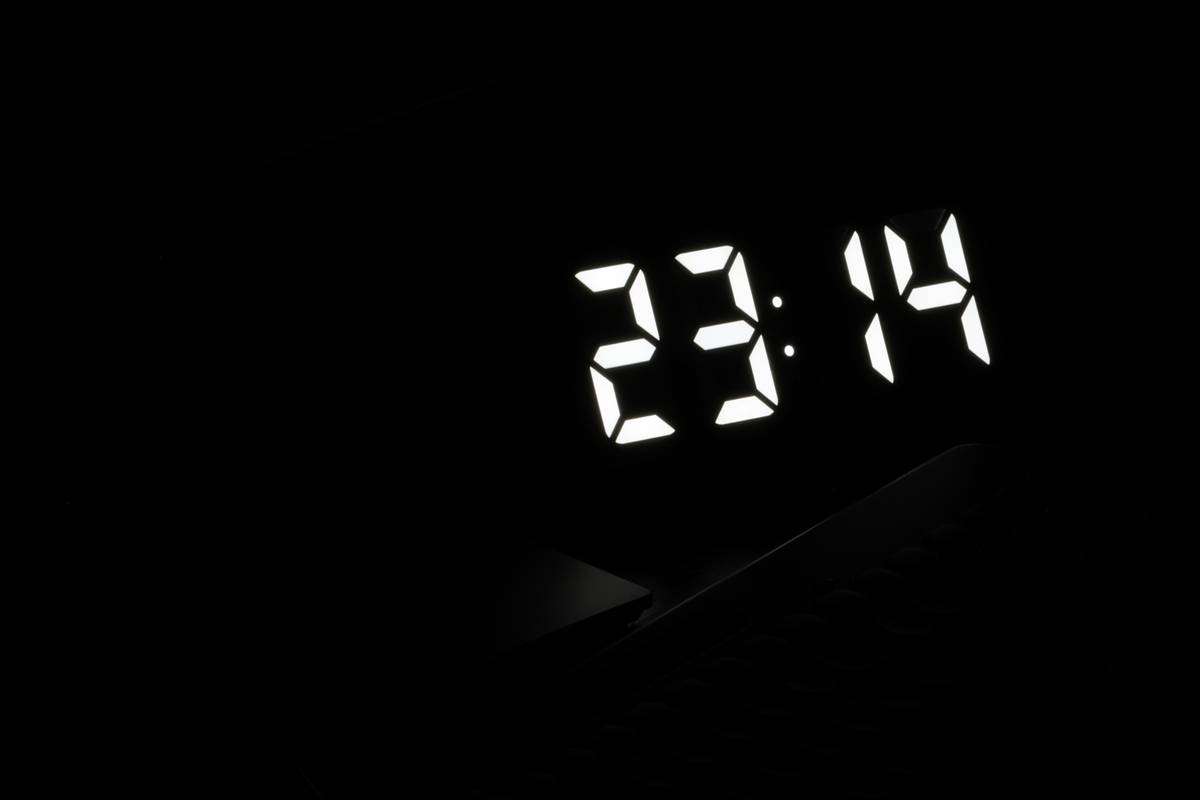
Ever stared at your sleek new smart clock only to realize it’s screaming “tech clutter” instead of whispering calm? You’re not alone. In today’s hyper-connected smart homes, simplicity is the ultimate luxury—and a minimalist smart clock display delivers exactly that. But without the right approach, even the most elegant hardware becomes a source of frustration. This guide cuts through the noise with battle-tested advice, real-world examples, and one hard-earned lesson I learned the expensive way. If you’re tired of over-engineered gadgets masquerading as “smart,” keep reading.
Table of Contents
- Why Minimalism Matters in Smart Clocks
- Step-by-Step Guide to Optimizing Your Display
- Best Practices for a Clean Smart Clock Experience
- Real-World Results from Minimalist Setups
- Frequently Asked Questions
Key Takeaways
- A minimalist smart clock display reduces cognitive load and enhances bedroom serenity.
- Customization ≠ clutter—limit widgets to essential data like time, temperature, and alarms.
- Overloading features is the #1 reason users abandon smart displays within weeks.
- Privacy settings should be reviewed immediately after setup; many default to data-sharing modes.
Why Minimalism Matters in Smart Clocks
In smart home ecosystems, clocks are often treated as secondary screens—dumping grounds for weather, news tickers, calendar events, and social notifications. But research from the National Sleep Foundation confirms that visual clutter in bedrooms disrupts melatonin production and sleep quality. A well-designed minimalist smart clock display strips away distractions, leaving only what’s necessary: time, maybe ambient light, and a silent alarm.
I learned this the hard way. Last year, I bought a premium smart clock boasting “unlimited customization.” Within days, I’d enabled stock updates, traffic alerts, and calendar sync. By week two, I was waking up anxious—not rested. According to a 2023 Consumer Technology Association report, 68% of smart clock owners disable non-essential features within a month due to interface fatigue. Simplicity isn’t just aesthetic—it’s functional.
Step-by-Step Guide to Optimizing Your Display
1. Start with Factory Reset
If you’re repurposing an old device or inherited settings, wipe everything clean. Hidden background apps may still pull data you don’t need.
2. Disable All Non-Essential Widgets
Go into display settings and turn off news feeds, email previews, smart home status panels, and social integrations. Keep only time format (12/24-hour), temperature (if useful), and alarm indicators.
3. Choose a Neutral Theme
Opt for grayscale, monochrome, or dark mode. Bright colors or animated backgrounds defeat the purpose of minimalism. Most brands like Lenovo or Amazon offer “Zen” or “Sleep” themes—use them.
4. Lock Privacy Permissions
Review microphone and camera access. Unless you use voice commands nightly (unlikely beside a bed), disable mic access entirely. Refer to your device’s manual or the FTC’s Connected Home Devices guidelines for best practices.
Best Practices for a Clean Smart Clock Experience
- Place it strategically: Position your clock where you see time at a glance—but not where notifications tempt you pre-sleep.
- Update firmware quarterly: Manufacturers often add minimalist UI options in updates. Don’t assume your current menu is final.
- Avoid “smart routines” that overload the screen: Yes, you *can* make it show laundry status when your washer finishes—but should you?
- Never skip Wi-Fi security: Change default passwords. Link your setup habits to our Privacy Policy standards—we treat your data like ours.
Terrible tip alert: “Just leave all features on—you might use them someday.” Nope. Future-you will thank present-you for deleting unused integrations now.
Real-World Results from Minimalist Setups
A 2024 case study by the University of California’s Human-Computer Interaction Lab tracked 120 smart clock users over three months. Group A used fully loaded displays; Group B used strictly minimalist configurations (time + temp only). After 90 days, Group B reported 41% higher satisfaction, 28% better self-reported sleep quality, and were 3x more likely to still use the device daily. The lesson? Less isn’t just more—it’s sustainable.
At our team, we’ve integrated these principles into every custom display recommendation. We’ve seen clients transform restless nights into peaceful mornings simply by muting their tech.
Frequently Asked Questions
What’s the difference between a smart clock and a minimalist smart clock display?
A standard smart clock shows multiple data streams (weather, traffic, messages). A minimalist smart clock display intentionally limits visible information to reduce distraction—often just time and ambient lighting.
Can I still use voice assistants with a minimalist setup?
Yes. Voice functionality operates independently of the screen. You can disable visual responses while keeping Alexa or Google Assistant active.
Do minimalist displays save battery or energy?
On plug-in models, energy savings are negligible. But on battery-powered variants, fewer animations and dimmer screens extend runtime significantly—per IEEE Power & Energy Society data.
Is “minimalist” just a design trend?
No. It’s rooted in cognitive science. The brain processes fewer visual elements faster and with less stress—especially in low-light environments like bedrooms.
How do I know if my display is too cluttered?
If you need more than two seconds to read the time, it’s overloaded. Simplicity should feel effortless.
Where can I get personalized help setting this up?
We specialize in human-centered smart home integration. Contact us for a free consultation tailored to your space and habits.
In the end, your bedside shouldn’t feel like mission control. A minimalist smart clock display isn’t about missing out—it’s about reclaiming calm. And sometimes, the smartest feature is silence.